
How To Fix A Patchy Lawn: Expert-Backed Strategies To Revive Your Lawn
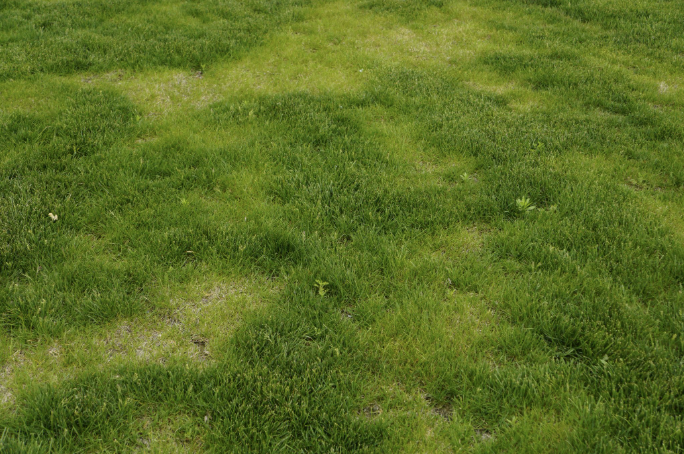
There is nothing quite as frustrating as looking out at your yard in June and seeing a “polka-dot” lawn. Between the harsh Red River Valley winters, salt damage from the driveway, and the inevitable “zoomies” from the family dog, patches are a common sight for Fargo-Moorhead homeowners.
If you’re wondering how to fix a patchy lawn, don’t reach for the “lawn-in-a-can” just yet. Real repair requires a strategy that works with our local soil and climate. Here is how to take your yard from “patchy” to “perfect” this season.
Step 1: Diagnose the Problem
Before you start throwing money at the ground, you need to know why the grass died in the first place. Here are a few factors to consider:
- Heavy Thatch: Is there a thick layer of dead grass suffocating the new growth?
- Soil Compaction: Is the ground as hard as a brick?
- Animal Damage: Are those brown circles exactly where the dog likes to go?
- Winter Kill: Did ice or salt near the sidewalk simply end the grass’s life cycle?
- Shady Areas: Do trees or shrubs keep grass shaded all day?
- Improper Watering: Does the grass receive too much or too little water?
- Mowing Challenges: Is uneven ground causing your mower to cut grass too short?
Step 2: Dethatching for Patchy Lawns
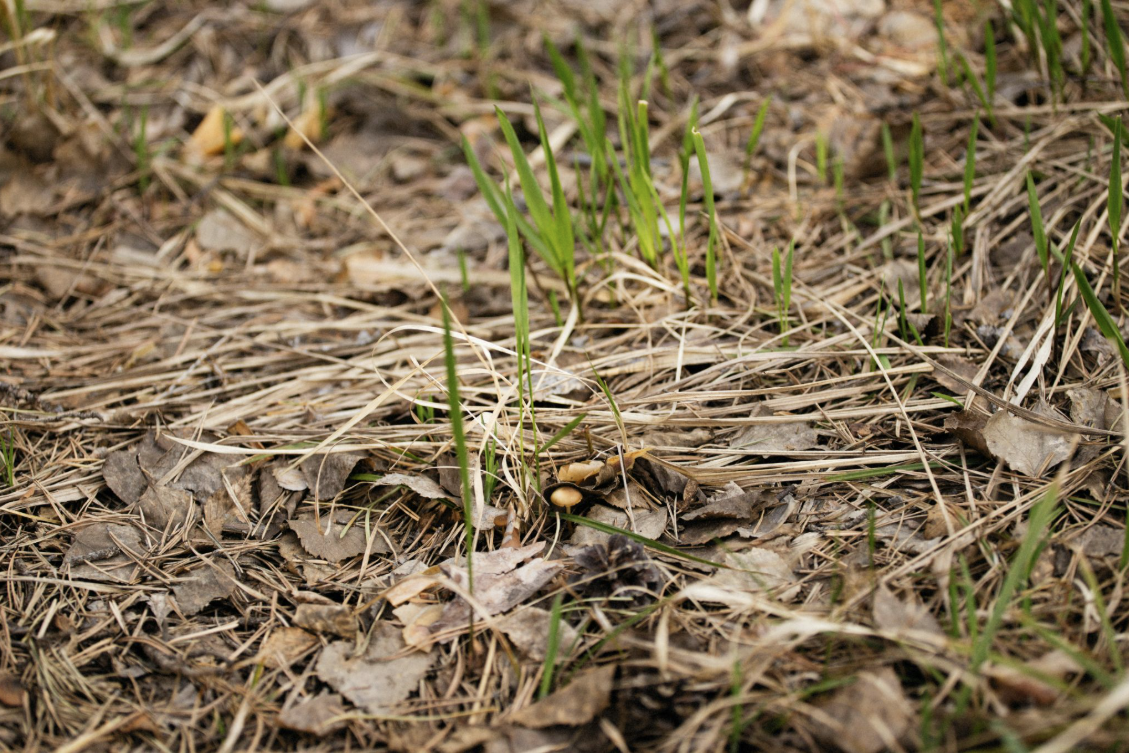 One of the most common obstacles to a healthy lawn is “thatch”. Thatch is the layer of organic debris that sits between the green blades and the soil. If this layer gets thicker than half an inch, water and seeds can’t reach the dirt.
Dethatching for patchy lawns is like giving your yard a deep exfoliation. It clears out the gunk so your lawn can breathe again. Dethatching opens up the soil to better absorb nutrients, water, and sunlight. Your lawn may look slightly thinner immediately after dethatching, but it quickly recovers and grows back stronger than before.
In Fargo, we recommend doing this in the spring, once the lawn is dry enough to support the equipment’s weight. If you would like help with a solid dethatching session, we’re happy to help! Reach out to learn more about our dethatching services.
Step 3: Core Aeration
In the Fargo-Moorhead area, our heavy clay soil is notorious for becoming compacted, which essentially suffocates your grass roots and prevents growth. Core aeration is the solution. By removing small plugs of soil from your yard, we create “openings” that allow oxygen, water, and nutrients to penetrate deep into the root zone. This is a critical step when fixing a patchy lawn because those holes provide the perfect environment for new seeds to take root and stay protected while they germinate. Aeration doesn’t just fix current bare spots—it builds a deeper, more resilient root system that keeps your lawn thick and lush all season long.
Step 4: Seeding Strategies
Once the debris is cleared, it’s time to fill in the blanks. There are two main ways to handle this:
- Reseeding a Patchy Lawn: This is for specific bare spots. You dig up the dead area, add a little topsoil, and apply seed directly.
- Overseeding for Patchy Lawns: This is the “gold standard” for thin yards. Instead of just fixing one spot, you spread seed across the entire existing lawn. Overseeding thickens the overall turf, making it harder for weeds to move into those thin areas.
Choose the Best Seed for a Patchy Lawn
In the Fargo-Moorhead area, we deal with extreme cold and heavy clay. You can’t just use any seed. The best seed for a patchy lawn in our region is typically a blend:
- Kentucky Bluegrass: The “looker.” It’s beautiful and self-repairing but can be finicky.
- Fine Fescue: The “survivor.” It handles shade and low water better than most.
- Perennial Ryegrass: The “sprinter.” It germinates fast to give you green cover while the other grasses take their time.
Step 5: Fueling Growth with Fertilizer
Even the best grass seed can’t reach its full potential in depleted soil. To ensure those new patches blend seamlessly into a thick, dark green carpet, you need a consistent nutrient plan. Our lawn fertilizer service is specifically designed for the unique challenges of the Red River Valley’s soil and climate. We analyze your lawn’s specific needs and use professional-grade, balanced fertilizers that provide the essential nutrients for your grass to thrive.
Step 6: Watering and Patience
New grass is like a newborn—it needs constant attention. You’ll need to keep the patched areas moist (not soaked) with light watering 2–3 times a day for the first two weeks. Once you see green sprouts, you can gradually move to deeper, less frequent watering.
Why Hire a Lawn Repair Service in Fargo-Moorhead?
Fixing a lawn sounds simple on paper, but getting it right involves properly diagnosing the issue, the right seed ratios, intentional watering, and a lot of timing. If you’d rather spend your weekend at the lake than dragging a rake across your yard all day, Funk’s is here to help.
We offer comprehensive lawn repair services in Fargo-Moorhead that take the guesswork out of the process. We don’t just “throw seed down”—we prepare the foundation so your lawn stays healthy all summer long.
Don’t Settle for a Polka-Dot Lawn
Let the pros at Funk’s handle the heavy lifting—from professional dethatching, aeration, and overseeding to a customized fertilization program. We’ll give you the lush, even green space you deserve without the DIY stress.