
Is Aeration and Overseeding Worth It? (What You Should Know)
Examining the critical roles of aeration and overseeding could shift your lawn from dull to vibrant. But are these processes truly worth the effort? Learn about these essential lawn care steps’ significant benefits for a thriving, green space.
Overview of Lawn Aeration and Overseeding
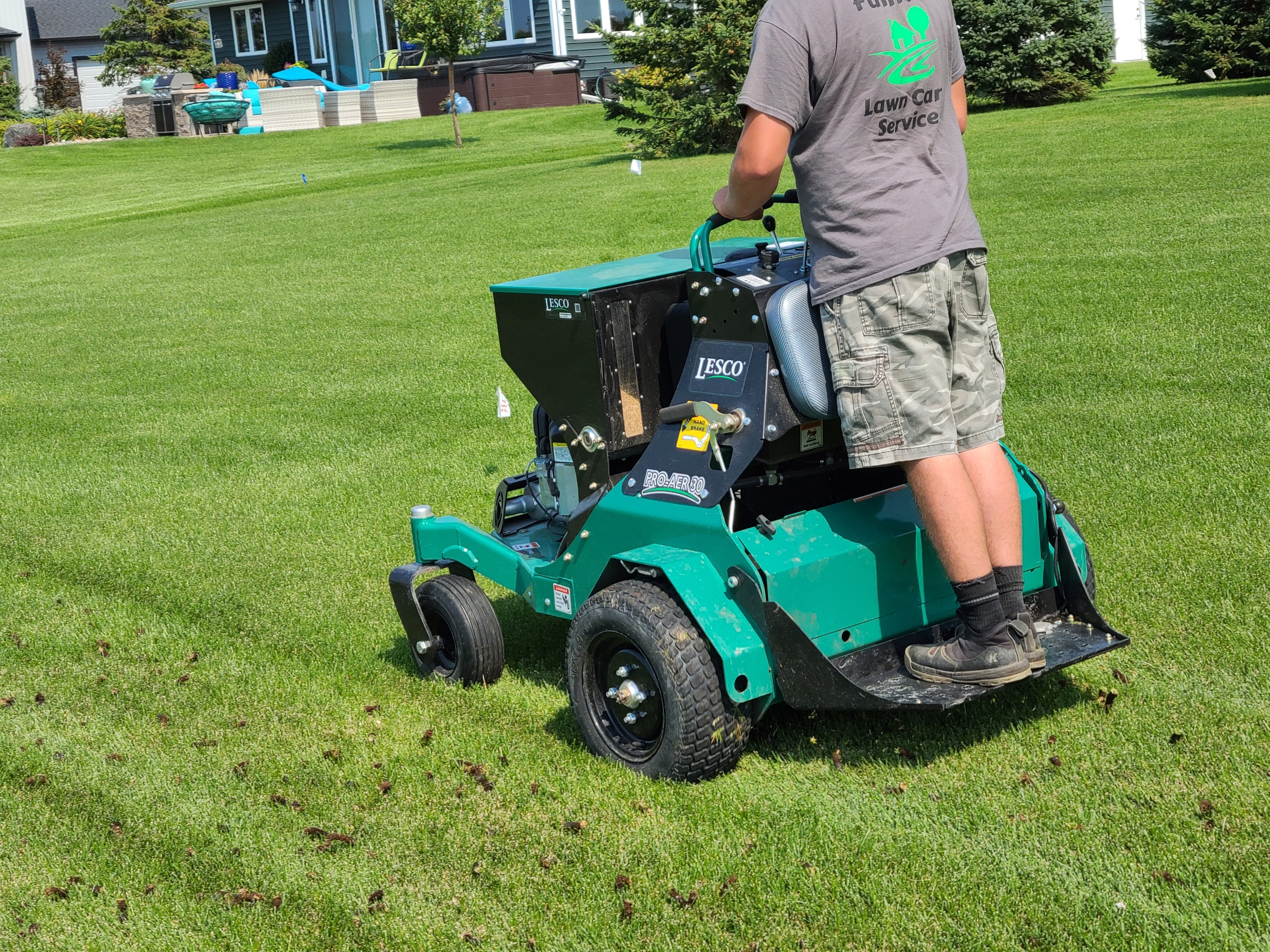
Lawn aeration involves perforating the soil with small holes, allowing air, water, and nutrients to reach the grassroots. This process helps the roots grow deeply, producing a stronger, more vigorous lawn. Overseeding, on the other hand, involves spreading new grass seed over the existing turf. It is particularly effective in filling in bare spots, improving the density of the lawn, and enhancing its color and texture.
Assessing Lawn Health
Evaluating your lawn’s health is crucial before undertaking any maintenance activities. Look for signs of compaction, such as water pooling, thin grass, and hard soil. Additionally, assess the uniformity and color of the grass—thin, discolored, or bare areas can significantly benefit from aeration and overseeding. Understanding your lawn’s underlying issues helps effectively tailor the aeration and overseeding processes.
Is Aeration and Overseeding Worth It?
Aeration’s Advantages
Aerating your lawn is a key step in maintaining its health and vigor, offering multiple benefits:
- Relieves soil compaction: Aeration expands the soil, making growing roots easier.
- Enhances nutrient absorption: Nutrients can reach the root zone more easily after aeration.
- Improves air exchange between soil and atmosphere: This ensures that the grassroots get ample oxygen, which is vital for their growth.
- Strengthens grass roots: A strong root system is the foundation of a healthy lawn, enabling it to withstand various stresses.
The Benefits of Overseeding
Introducing new grass seed through overseeding can significantly improve the health and appearance of your lawn:
- Increases turf density: A denser lawn is more attractive and can better resist pests and diseases.
- Enhances lawn color and appearance: new grass can revive a lawn’s overall look.
- Reduces the incidence of weeds and pests: Thick grass leaves little room for growing weeds.
- Fills in bare and thin spots: Overseeding helps in creating an even, lush appearance.
Evaluating Costs and Benefits
Determining whether aeration and overseeding are right for your lawn involves considering various factors:
- Assess the cost of renting equipment vs. professional services
- Rental costs can vary; compare these with quotes from several local services.
- Consider the time and effort required if doing it yourself versus professional quality and convenience.
- Consider the long-term benefits of a healthier and more resilient lawn
- A robust lawn requires fewer repairs and less intervention in the future.
- Healthier lawns better withstand stress from weather, pests, and heavy use.
- Balance initial investment against reduced maintenance costs and water usage
- Initial costs may be offset by a reduced need for watering, fertilizing, and reseeding.
- A healthier lawn can contribute to lower overall landscape maintenance expenses.
Grass Seed Choices for Fargo Homeowners
Consider Fargo’s Climate
- Cool-Season Grasses: Ideal for Fargo’s cold winters and mild summers.
Assessing Your Lawn
- Sun Exposure: Select shade-tolerant or sun-loving varieties based on your yard.
- Soil Type: Choose seeds that thrive in local soil conditions.
- Traffic Resistance: Consider durability if your lawn sees a lot of activity.
Local Research and Expertise
- Fargo’s Grass Types: Research or ask about grasses thriving in North Dakota.
- Professional Consultation: Local lawn care experts can offer tailored advice.
Integrating New Grass Seed in Fargo
Best Seeding Times
- Cool Season Grasses: Early fall or spring, aligning with Fargo’s growing seasons.
Effective Germination Strategies
- Watering: Ensure soil remains lightly moist, especially during dry spells.
- Mowing: Avoid cutting grass too short to allow new seeds to be established.
Ensuring Seed-to-Soil Contact for Fargo Lawns
Preparing Your Lawn
- Mow your lawn shorter than usual, removing all debris.
- Loosen the top layer of soil with a rake; consider aeration to improve soil structure for compacted areas.
Optimizing Seed Contact
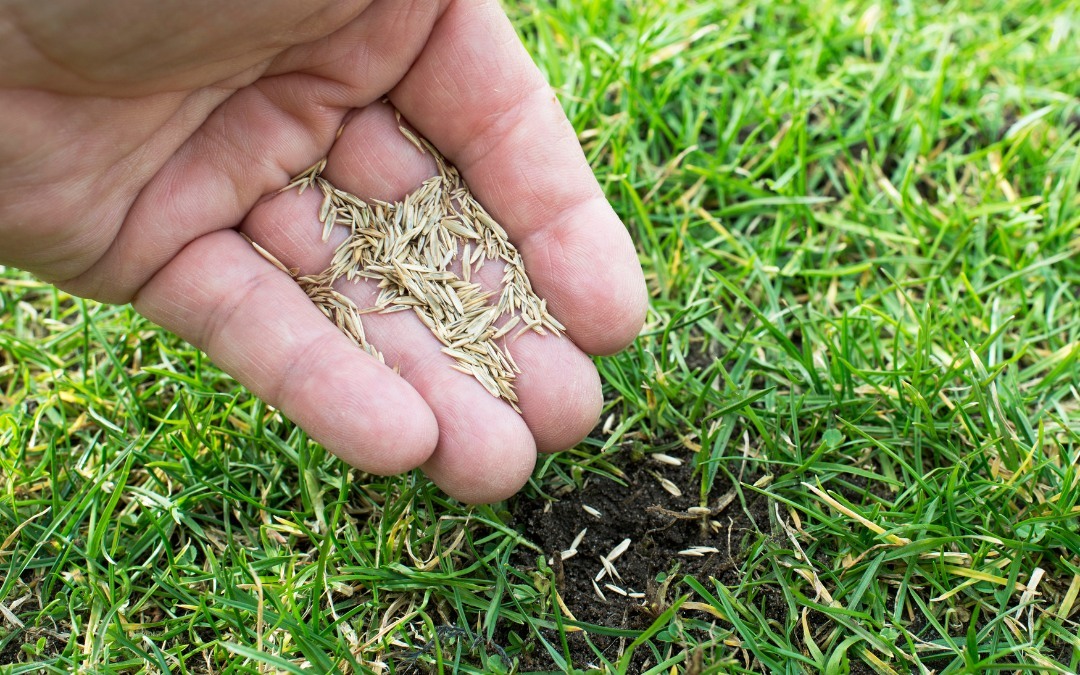
- After spreading grass seed, lightly rake to ensure seeds are in contact with the soil.
- For better germination, lightly roll the seeded areas to press the seeds into the soil without burying them too deeply.
Maintaining Ideal Conditions
- Keep the soil moist but not saturated to support new seedlings.
- Regularly check for and remove any weeds that compete with the new grass for nutrients and light.
Handling Cool-Season Grasses in Fargo
Best Overseeding Practices
- Overseed in early fall to allow new grass time to establish before winter.
- Aerating before overseeding helps relieve soil compaction, enhancing root growth.
Seed Selection and Lawn Preparation
- Choose a seed blend suitable for Fargo’s climate, focusing on cool-season grasses like Kentucky bluegrass.
- Reduce competition from existing turf by mowing low and removing thatch.
Aftercare for Optimal Growth
- Ensure consistent soil moisture for seed germination and young plant growth.
- Protect the seeded areas with a light layer of mulch or straw to retain moisture and reduce erosion.
By following these steps and considering Fargo’s climate’s specific needs, homeowners can maintain a lush, healthy lawn throughout the year.
Frequently Asked Questions About Aeration and Overseeding in Fargo, ND
What are the best grass types for my Fargo lawn?
Cool-season grasses like Kentucky bluegrass are ideal for Fargo’s climate. They thrive in the cold winters and mild summers and offer a lush, green lawn.
When is the best time to aerate and overseed in Fargo?
Early fall is optimal for aerating and overseeding. This timing allows your lawn to heal from aeration holes and the new seeds to establish before winter.
How do I know if my lawn needs aeration?
Signs include compacted soil, water pooling, thin grass, and bare patches. If your lawn shows these signs, consider aeration to improve its health and density.
Can overseeding fix the bare spots on my lawn?
Yes, overseeding is effective for filling in bare spots. For the best results, ensure good seed-to-soil contact and water regularly.
How often should I aerate my lawn in Fargo?
Typically, aerating every 1-2 years is sufficient. However, if your lawn experiences heavy foot traffic or has clay soil, you might need to aerate more frequently.
What steps should I take after overseeding my lawn?
Water the new seeds gently and regularly to keep the soil moist. Avoid heavy foot traffic on the new growth and start mowing when the grass reaches its recommended height.
Transform Your Lawn with Funk’s Lawn Care
Revitalizing your lawn to achieve a thick, lush, and healthy state requires dedicated effort and expertise. For Fargo homeowners, Funk’s Lawn Care provides professional services designed to tackle the region’s unique challenges, from combating the wear of heavy traffic to navigating the planting needs of warm- and cool-season grasses. Trust us to breathe new life into your outdoor space, ensuring it remains well-maintained and vibrant throughout the growing season. Let Funk’s Lawn Care take the time-consuming tasks off your hands, allowing you to enjoy a beautiful green lawn all year round.