
Mulch or Rock: Which Is Better for Landscaping?
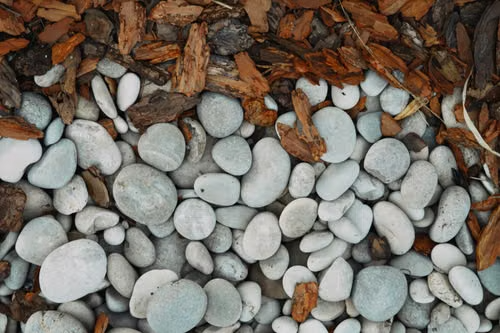
Choosing between mulch or rock for landscaping comes down to your garden’s plant health needs, your aesthetic goals, and how much ongoing maintenance you want to handle. In the Fargo-Moorhead area, organic wood mulch is ideal for plant-heavy flower beds because it enriches our dense Red River Valley clay soil and retains moisture, whereas decorative rock provides a permanent, wind-resistant, and low-maintenance barrier that excels around home foundations and pathways.
Evaluating how each ground cover performs against North Dakota’s seasonal shifts will help you decide which material—or combination of both—delivers the best long-term return for your property.
Table of Contents
Rock vs Mulch Landscaping: Comparison
Both materials provide curb appeal and protect soil, but their long-term behavior in cold climates differs significantly.
| Feature | Organic Wood Mulch | Decorative Stone & Rock |
| Primary Benefit | Enriches soil; insulates roots | Permanent; ultra-low maintenance |
| Best Used For | Perennial beds, shrubs, trees | Foundations, walkways, and water drainage |
| Lifespan | Needs a refresh every 1–2 years | Lasts indefinitely (decades) |
| Wind Resistance | Prone to drifting in high prairie winds | Stays firmly in place |
| Initial Investment | Lower upfront cost | Higher upfront cost |
| Soil Impact | Decomposes and adds organic nutrients | Non-porous; does not improve soil |
When Is Mulch Better Than Rock for Landscaping?
Organic shredded hardwood, bark, or wood chips act as a living blanket for your soil. Understanding when mulch is better than rock for landscaping starts with looking at what you have planted in your garden beds.
Soil Health and Moisture Retention
As organic mulch breaks down over time, it adds vital organic matter back into the ground. Fargo’s native soil contains heavy clay that easily compacts and starves root systems. Organic mulch prevents surface crusting, allowing oxygen and water to reach the roots while keeping topsoil temperatures stable during summer heatwaves and winter freezes.
Choosing Rock for Flower Beds
If you have delicate annuals, tender perennials, or shallow-rooted ornamental shrubs, mulch is nearly always the better choice over stone or rock for flower beds. Rocks absorb and radiate daytime solar heat deep into the ground, which can unintentionally bake the root balls of sensitive plants. Mulch keeps root zones cool and damp, significantly reducing how often you need to irrigate.
When Is Rock Better Than Mulch for Landscaping?
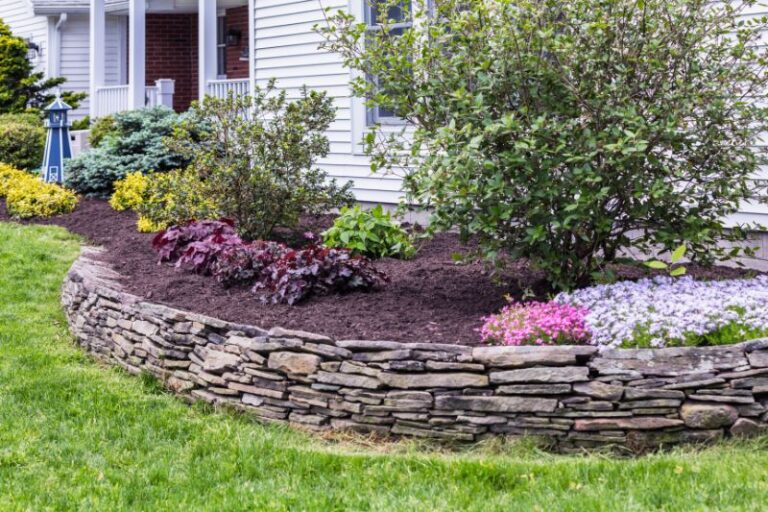
While mulch excels at plant nutrition, decorative river rock, crushed granite, and pea gravel offer physical durability that wood simply cannot match. Homeowners often ask when rock outperforms organic mulch.
- High-Wind Areas: Fargo-Moorhead is notorious for strong prairie gusts. Light wood chips and bark can blow across your lawn or wash away during heavy spring runoff. Rock stays firmly rooted where it is laid.
- Permanent, Low-Maintenance Curb Appeal: Because rock does not decompose, it never requires yearly top-offs. Once installed with proper edging and heavy-duty underlayment, decorative rock maintains its color and crisp profile for decades.
- High-Traffic Zones and Dog Runs: Rocks withstand foot traffic, pet activity, and heavy downpours without turning into a muddy mess.
Mulch or Rock Around House Foundations and Beds
Deciding between mulch or rock around house walls is one of the most important landscape choices for structural protection.
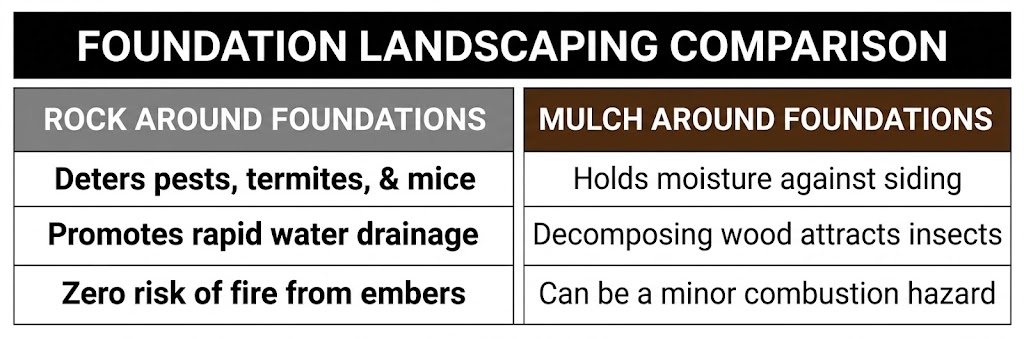
Decorative rock is almost universally superior within the first 2 to 3 feet directly adjacent to your home’s foundation. It facilitates positive drainage away from concrete walls, avoids rotting wooden siding, and eliminates the damp habitat that draws ants, crickets, and subterranean pests toward your sill plates.
Is Mulch or Rocks Better for Weeds?
Homeowners often ask whether mulch or rocks are better for weeds. The answer depends on your installation technique.
- Mulch for Weed Suppression: A dense, 3-inch layer of hardwood mulch deprives weed seeds of the sunlight they need to germinate. However, as the mulch decomposes, windblown dirt settles into the wood particles, eventually creating a nutrient-rich bedding where airborne weed seeds can sprout.
- Rocks for Weed Suppression: Rocks alone will not stop weeds because dirt and seeds easily slip between the crevices. To achieve superior weed defence, rock installations must be paired with commercial-grade, woven geotextile landscape fabric. This barrier prevents weeds from anchoring in the subsoil while allowing rainwater to pass through freely.
The Cost of Mulch vs Rocks (Short-Term vs Long-Term)
Budget plays a significant role in the cost comparison between mulch and rocks.
- Mulch (Lower Upfront, Higher Recurring): Mulch is relatively inexpensive to purchase and install initially. However, because organic material decomposes, you must budget for a fresh top-dressing every 1 to 2 seasons to maintain proper color and depth.
- Rock (Higher Upfront, Zero Recurring): Installing decorative rock requires a larger initial budget due to material weight, shipping logistics, excavation, commercial edging, and fabric installation. Over a 5- to 10-year span, rock pays for itself by eliminating annual replacement costs.
Replacing Mulch with Rocks
Many homeowners reach a point where they are tired of annual mulching and consider replacing mulch with rocks. This process involves removing all existing decomposed mulch, grading the soil for positive drainage, installing durable concrete curbing or aluminum edging, rolling out high-tensile weed-barrier fabric, and distributing a 2- to 3-inch layer of decorative rocks.
Landscaping Ideas with Mulch and Rocks Combined
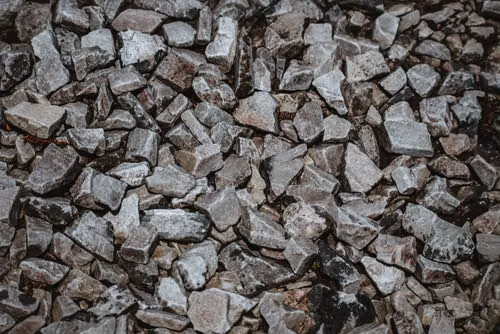
You do not have to settle for just one material. Some of the most functional landscaping ideas with mulch and rocks blend both elements across different zones of your property:
- The Two-Tier Border: Install a 24-inch decorative river rock border directly against your home’s foundation for drainage and pest control, and outline it with concrete curbing. Then, transition into a rich, dark hardwood mulch zone for your flowering perennials and ornamental trees.
- Dry Creek Beds: Use 2–4” river rock to carve a natural drainage swale through a heavily mulched landscape bed, creating a stunning visual feature that manages heavy stormwater runoff.
- Rock Walkways with Mulched Islands: Use pea gravel or crushed rocks for stable garden paths, surrounded by deeply mulched planting beds to keep the foliage vibrant and well-hydrated.
Transform Your Yard with Funk’s Landscaping Services
Whether you want a fresh, rich layer of hardwood mulch to nourish your garden or a long-lasting decorative rock installation to upgrade your curb appeal, the crew at Funk’s Lawn Care Service does the job right the first time.
We are a locally owned and operated company serving Fargo, West Fargo, Moorhead, and the surrounding areas. We use commercial-grade equipment, premium local materials, and reliable scheduling to keep your property looking its best in every season.
Complete Landscape & Maintenance Services We Offer:
- Mulching Service: Professional flower bed edging, weed removal, and organic shredded mulch delivery and installation.
- Rock Landscaping Service: Full-service decorative rock installation, including tear-outs, geotextile fabric installation, river rock, crushed granite, and 2–4” rock.
- Concrete Curbing & Edging: Clean separation between grass lines and landscape beds.
- Plant, Shrub, & Tree Installation: Handpicked varieties suited to North Dakota hardiness zones.
Ready to upgrade your flower beds or foundation landscape before the next season?
Click here to request your free quote for rock and mulch installation from Funk’s today.