
Weed Control Tips for Fargo-Area Homeowners
In the Red River Valley, we take great pride in our yards. But as any local knows, as soon as the ground warms up, it’s a race between your Kentucky Bluegrass and the relentless local weeds. If you feel like you’re losing the battle, you aren’t alone.
In this guide, we’re sharing essential weed control tips to help you reclaim your yard. From identifying common lawn weeds in Fargo to knowing exactly how to treat a newly seeded lawn, here is how to keep your grass clean and green in 2026.
Common Lawn Weeds in Fargo
Before you can fight them, you have to know them. In the Fargo-Moorhead area, our heavy clay soil and seasonal shifts create the perfect breeding ground for a few specific troublemakers:
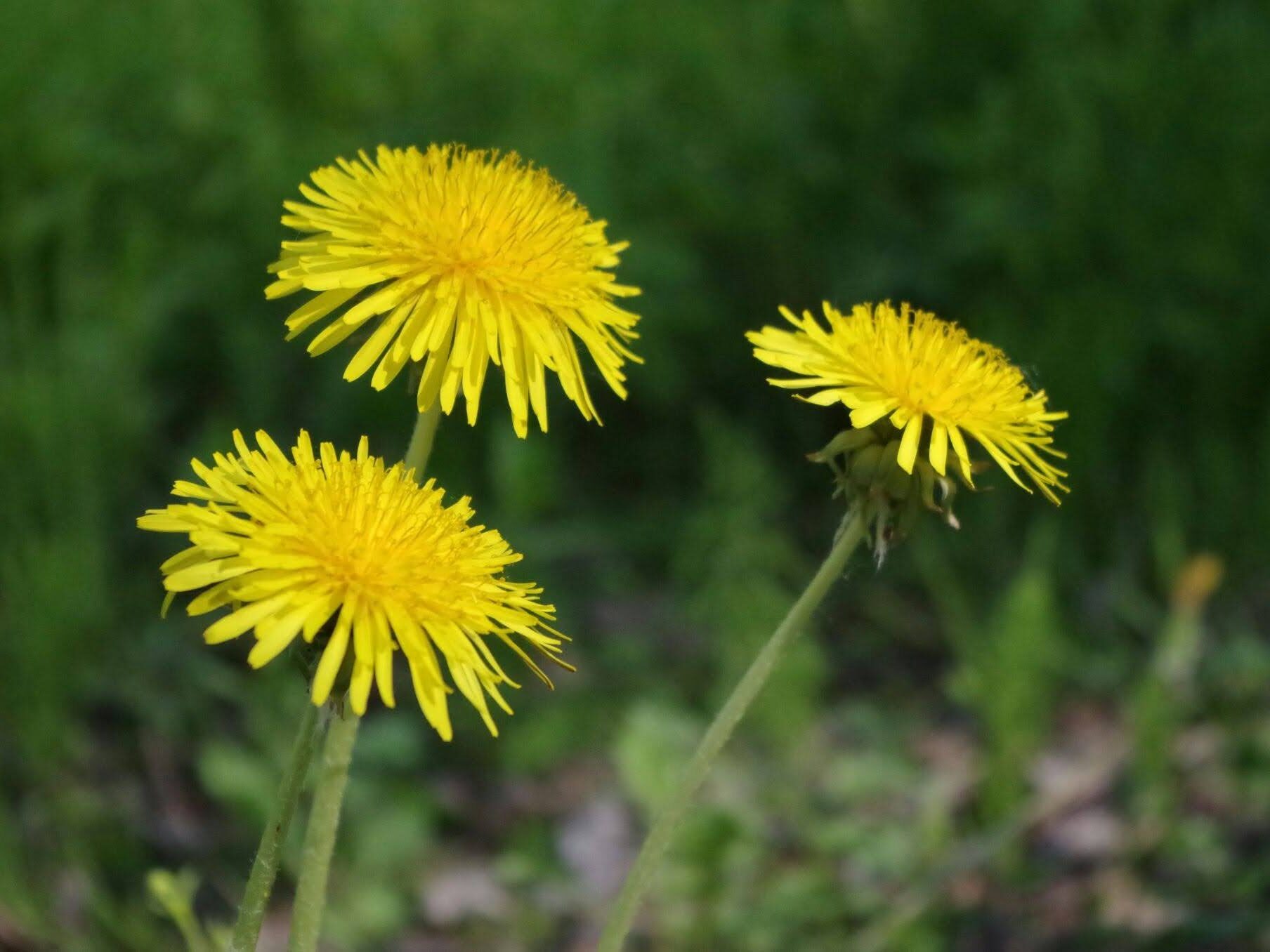
Dandelions
The bright yellow invaders that turn into white puffballs of seeds.
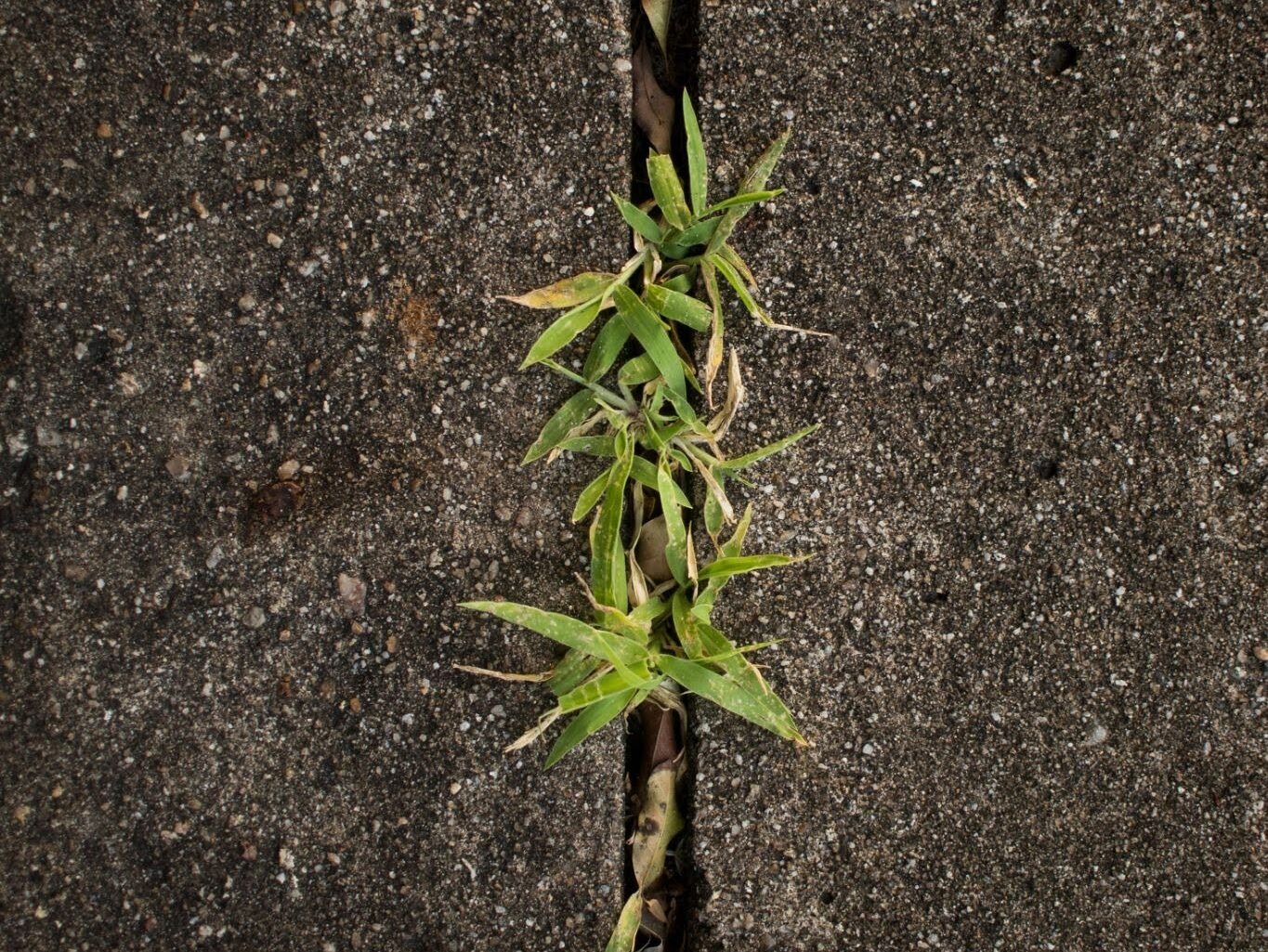
Crabgrass
An annual grass that thrives in heat and spreads horizontally, choking out your lawn.
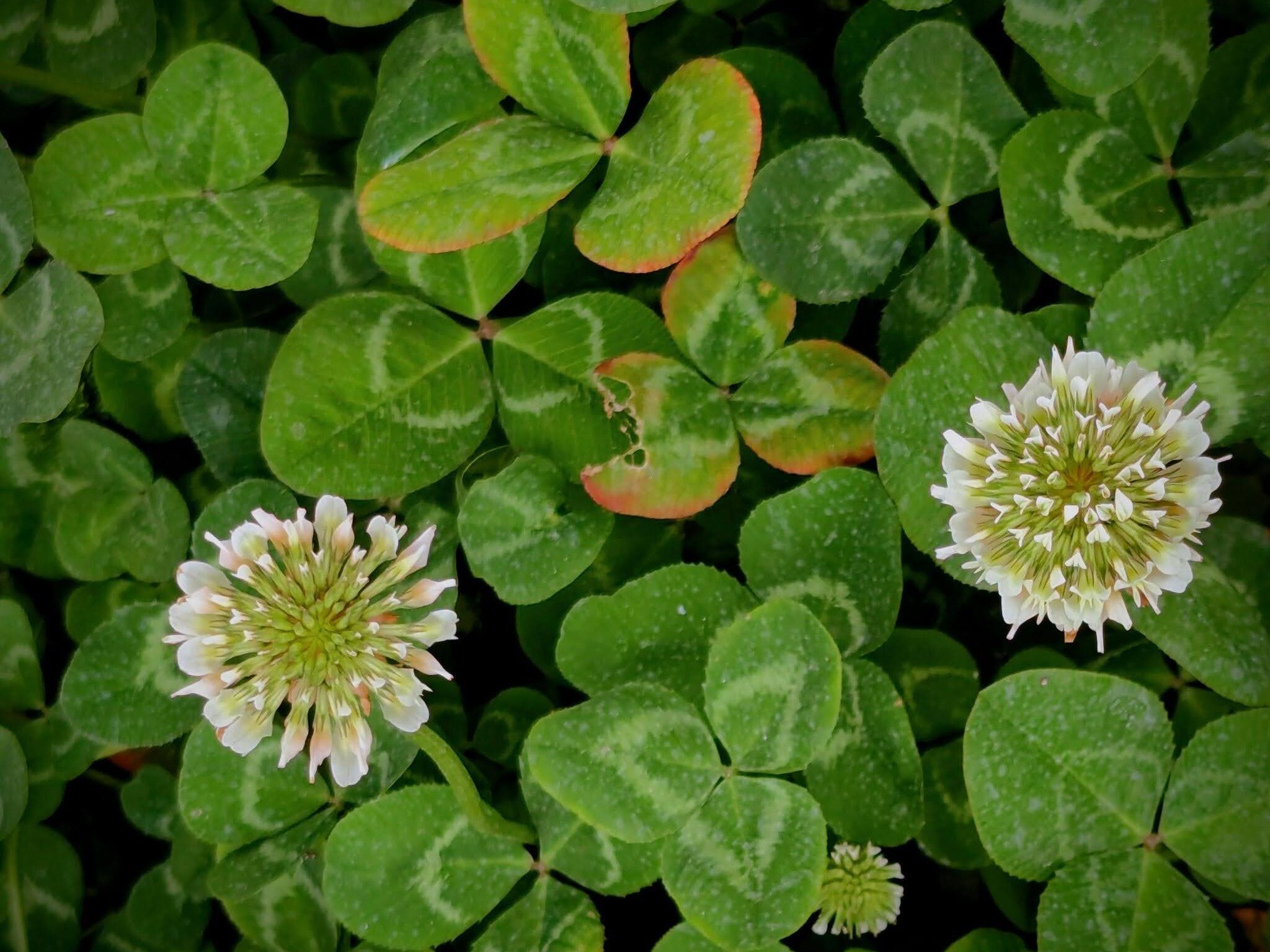
White Clover
Recognizable by its three-leaf clusters and white blossoms.
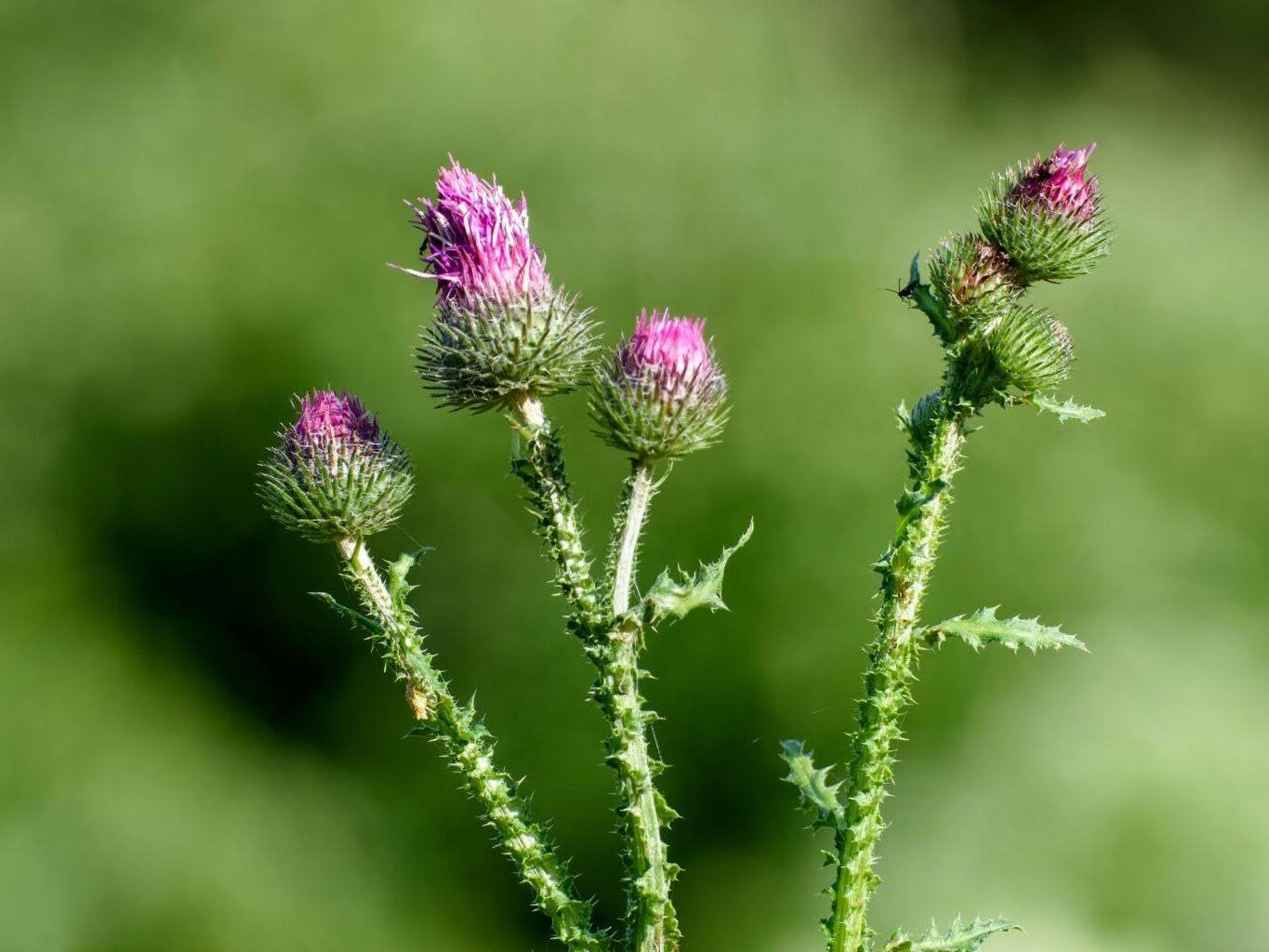
Canadian Thistle
Tough, prickly, purple-flowering weeds that thrive in North Dakota’s open landscapes.
Crabgrass vs. Quackgrass
In the Fargo-Moorhead area, quackgrass pops up in early spring, while crabgrass waits for the soil to heat up in early summer. You’ll spot the difference easily: quackgrass grows tall and upright, whereas crabgrass stays low to the ground in flat, yellowish-green clumps. Because quackgrass is a perennial with deep roots, it usually requires a targeted herbicide, while annual crabgrass can often be hand-pulled or stopped with a spring pre-emergent. Regardless of the weed, keeping your lawn tall and well-fertilized is the best way to crowd out both invaders.
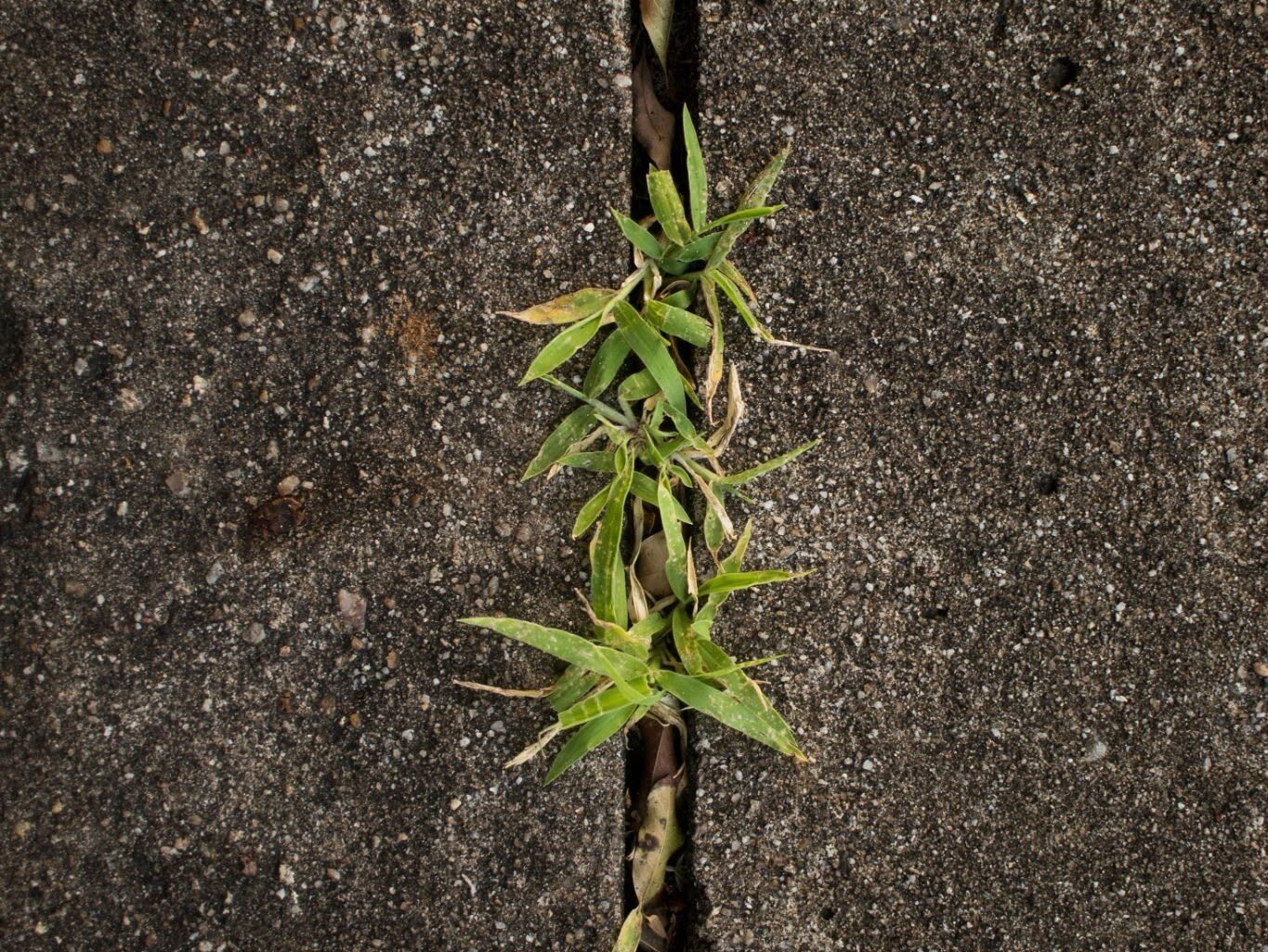
Crabgrass
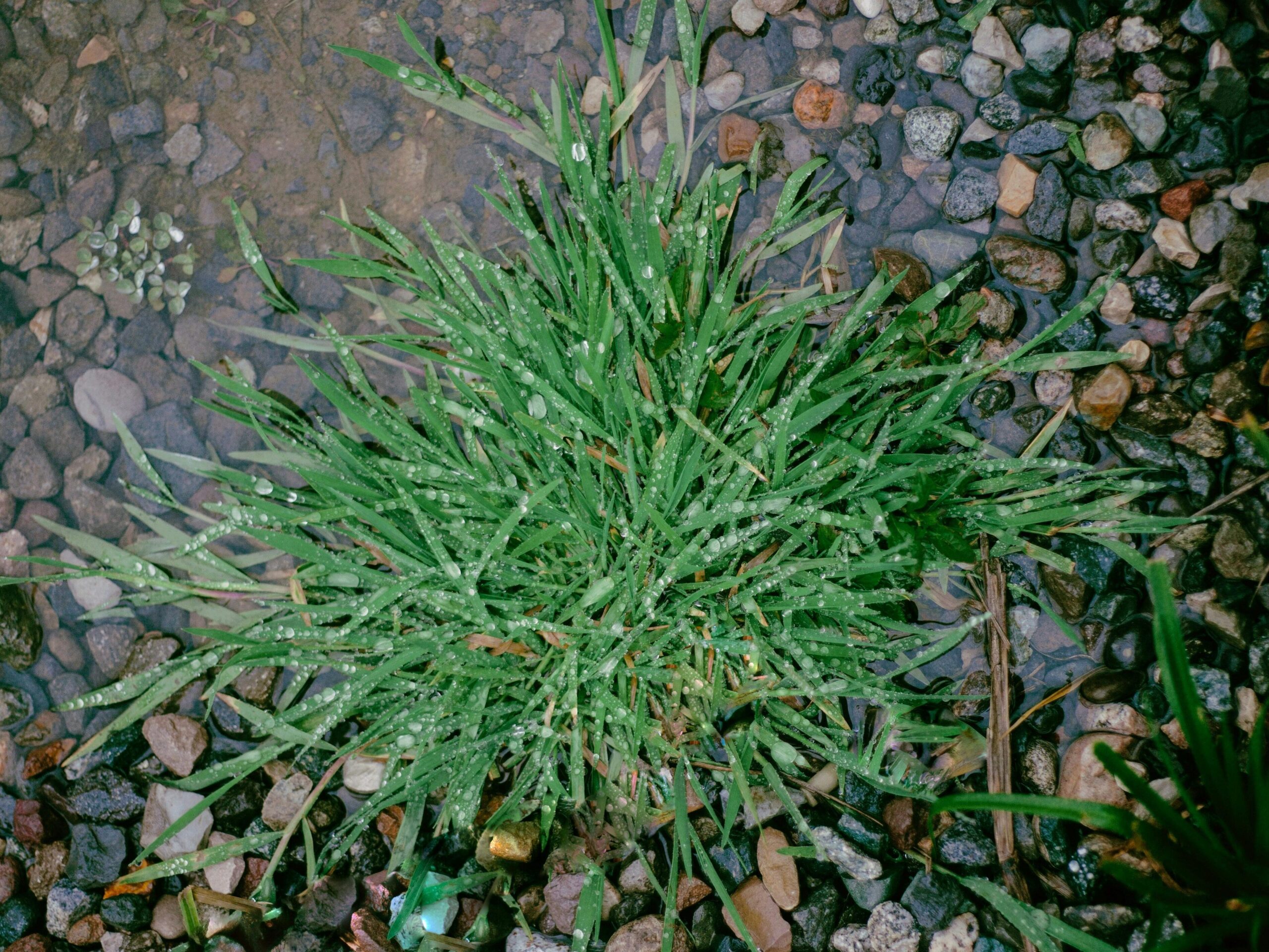
Quackgrass
Seasonal Strategy: Spring vs. Summer
Effective weed management isn’t a one-time chore; it’s a seasonal strategy.
Spring Weed Control Tips
The goal in spring is prevention.
- Apply Pre-Emergents: This creates a chemical barrier that stops weed seeds from germinating.
- Timing is Key: In Fargo, you want to get your pre-emergent down before the soil stays consistently above 55°F.
- Focus on Crabgrass: Learning how to remove crabgrass is actually about stopping it before it starts. Once it’s visible in July, it’s much harder to kill.
Summer Weed Control Tips
By June and July, the strategy shifts to elimination.
- Spot Treat: Use post-emergent herbicides for stubborn survivors.
- Mow High: Keeping your grass at 3.5 to 4 inches shades the soil, making it harder for weed seeds to get the sunlight they need to sprout.
- Deep Watering: Water deeply and infrequently to strengthen grass roots while starving shallow-rooted weeds.
How to Handle Specific Invaders
Not all weeds respond to the same treatment. Here is a quick breakdown of the most common requests we get:
- How to remove dandelions from your lawn: Broadleaf herbicides are most effective in the fall or early spring. If you prefer manual removal, ensure you use a weeding tool that pulls the entire taproot, or it will just grow back.
- How to remove clover from your lawn: Clover often indicates your soil is low on nitrogen. Using a nitrogen-rich fertilizer alongside a clover-specific herbicide is the best “one-two punch.”
- How to remove crabgrass from your lawn: The best time to remove crabgrass is after rain or watering, when soil is damp. Use a weeding tool and ensure you pull the entire root system. Dispose of the plants in the trash (not compost) to prevent future spread of this plant.
- How to remove Canadian thistle from your lawn: This persistent weed requires persistent effort to get rid of. Combine regular hand-digging, lawn mowing, and systemic herbicides such as glyphosate, 2,4-D, or dicamba to prevent thistle spread.
- Bonus Tip – How to remove weeds from a newly seeded lawn: Be careful! Most standard weed killers will kill brand-new grass. You generally need to wait until you have mowed your new grass at least three times before applying any traditional weed control.
Tools to Remove Lawn Weeds
If you prefer the DIY route, having the right tools to remove lawn weeds makes a world of difference:
- Stand-up Weed Pullers: Great for dandelions and thistles without breaking your back.
- Pressure Sprayers: For precise spot-treating with liquid herbicides.
- Hand Weeder/Fiskars: For precision work in flower beds.
Can You Permanently Remove Lawn Weeds?
We get asked this a lot: Can you permanently remove lawn weeds? The honest answer is no. Seeds are constantly carried into your yard by wind, birds, and even your mower’s tires.
However, you can reach a point where your lawn is so thick and healthy that weeds simply don’t have as much space to grow. Weed control isn’t about a one-time “kill”; it’s about ongoing “management.”
Why Professional Weed Control Matters
While DIY products are available at the big-box stores, they often lack the concentration and “sticking power” of professional-grade applications. At Funk’s, we use specialized equipment and local expertise to ensure the right product is used at the right time.
By investing in regular weed control, you will save expensive lawn repairs down the line. A well-maintained, weed-free lawn can significantly boost your home’s curb appeal and market value.
Take Back Your Backyard
Don’t spend your summer on your hands and knees pulling dandelions. Let Funk’s Lawn Service handle the chemistry and the labor so you can just enjoy the grass.
Don’t spend your summer on your hands and knees pulling dandelions. Let Funk’s Lawn Service handle the chemistry and the labor so you can just enjoy the grass.

Why Fargo Trusts Funk’s for Weed Control
- Local Expertise: We know exactly which weeds are hitting West Fargo and Horace each season.
- Precision Application: No more “burned” grass patches from over-application.
- Safe & Effective: Our treatments are tough on weeds but safe for your family and pets once dry.
- Total Consistency: We track the weather and the growing degree days so you don’t have to.
Request a free weed control quote today.
Have questions? Email us at: [email protected]